
Sustainable Living and Climate Change: Creating a Greener Future

Introduction
In recent years, the devastating impacts of climate change have become increasingly evident, prompting the urgent need for sustainable living practices. The choices we make in our daily lives can significantly impact the environment and the future of our planet. Embracing sustainable living not only mitigates climate change but also fosters a greener and more sustainable future for generations to come. In this article, we will explore how sustainable living can help combat climate change and the actionable steps we can take to create a greener world.
How can sustainable living help climate change?
Reducing Carbon Footprint:
Sustainable living aims to minimize individual and collective carbon footprints. By making conscious choices to reduce energy consumption, opt for renewable energy sources, and utilize energy-efficient technologies, we can curb greenhouse gas emissions and slow down the warming of the planet.
Following are few Tips to reduce Carbon Footprint

Responsible Consumption:
Adopting sustainable consumption habits, such as purchasing locally sourced products, reducing single-use plastics, and supporting eco-friendly businesses, helps lessen the strain on the environment. This reduces the demand for resource-intensive production methods and lowers carbon emissions associated with transportation and manufacturing.

Waste Reduction:
Sustainable living emphasizes waste reduction through recycling, upcycling, and composting. By diverting waste from landfills and promoting a circular economy, we can mitigate the release of methane and other harmful greenhouse gases, thus positively impacting the climate.

Preservation of Ecosystems:
Sustainable living practices encourage the conservation of ecosystems such as forests, wetlands, and oceans. These natural environments play a crucial role in sequestering carbon dioxide, stabilizing climate patterns, and safeguarding biodiversity.

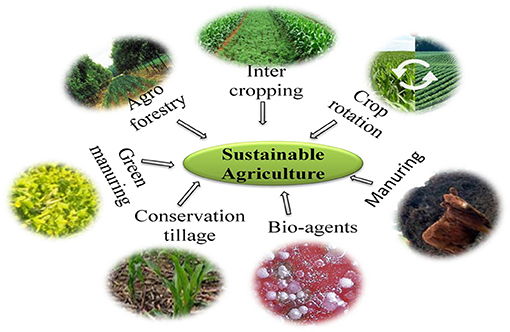
Sustainable Agriculture:
Promoting sustainable agriculture methods, such as organic farming and agroforestry, can enhance soil health and sequester carbon in the soil. This reduces the need for synthetic fertilizers and minimizes the greenhouse gas emissions associated with conventional agriculture.
How can we create a greener future?
Education and Awareness:
Educating ourselves and raising awareness about the impacts of climate change and the benefits of sustainable living is the first step in creating a greener future. By understanding the interconnectedness of our actions and the environment, we can make informed choices that contribute to positive change.
Government Policies and Incentives:
Governments play a vital role in promoting sustainability and combating climate change. Implementing policies that encourage renewable energy adoption, carbon pricing, and sustainable practices can accelerate the transition to a greener future. Offering incentives to businesses and individuals who embrace sustainability can also drive positive change.
Renewable Energy Transition:
Shifting from fossil fuels to renewable energy sources such as solar, wind, and hydro power is crucial in reducing greenhouse gas emissions. Investing in and supporting renewable energy infrastructure will pave the way for a cleaner and more sustainable energy future.
Green Transportation:
Promoting sustainable transportation options like electric vehicles, public transit, and cycling not only reduces carbon emissions but also alleviates air pollution. Creating pedestrian-friendly cities and expanding bike lanes encourages greener commuting choices.
Sustainable Urban Planning:
Designing cities and communities with sustainability in mind can lead to energy-efficient buildings, green spaces, and better waste management systems. Smart urban planning encourages sustainable lifestyles and minimizes the environmental impact of urban areas.
Corporate Responsibility:
Businesses have a significant role to play in creating a greener future. Embracing sustainable practices in supply chains, production processes, and waste management can lead to positive environmental outcomes. Consumers can also support environmentally responsible companies by choosing their products and services.
Conclusion
Sustainable living is not just a trend; it is a necessity in the face of climate change and environmental degradation. By reducing our carbon footprint, making responsible choices, and preserving natural resources, we can actively combat climate change and create a greener future. It is essential to educate ourselves and others, advocate for supportive policies, and embrace renewable energy and sustainable practices in all aspects of our lives. Together, we can shape a more sustainable world for future generations and foster a healthier, cleaner, and more resilient planet.


0 Comments